

Rainwater tanks provide a practical way to collect and store water for gardening, toilet flushing, laundry and other suitable household activities. However, these systems require regular attention to perform reliably. Scheduling a professional rainwater tank service in Sydney helps property owners understand the condition of their storage system and identify maintenance requirements before faults become more serious.
What Is Included in a Professional Rainwater Tank Service?
A professional rainwater tank service in Sydney involves inspecting the rainwater storage system, identifying operational problems, and recommending appropriate maintenance or repairs. The exact work depends on the tank’s condition, design, accessibility, and intended water use.
Rather than focusing only on the storage container, experienced plumbers assess how individual components work together to deliver water to connected outlets.
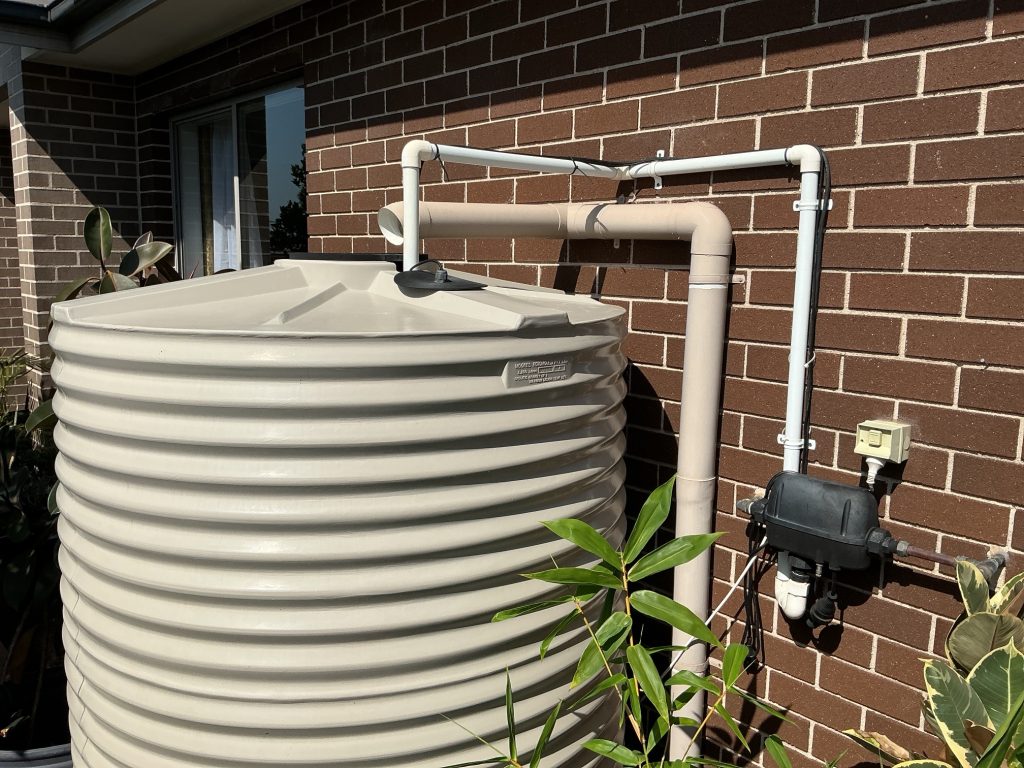
1. Rainwater Tank Inspection and Condition Assessment
A maintenance visit usually begins with a visual examination of accessible tank surfaces, fittings and plumbing connections. The technician checks for visible deterioration, signs of leakage and damaged components that could affect system operation.
Common inspection points include:
- Tank walls, lids and accessible structural surfaces
- Inlet pipes, overflow outlets and connection points
- Seals, fittings and visible signs of water leakage
- Insect screens and openings that allow debris to enter
- Connected plumbing and signs of unusual water loss
Identifying these problems early helps determine whether routine maintenance, component replacement or further investigation is necessary.
2. Tank Cleaning and Sediment Removal
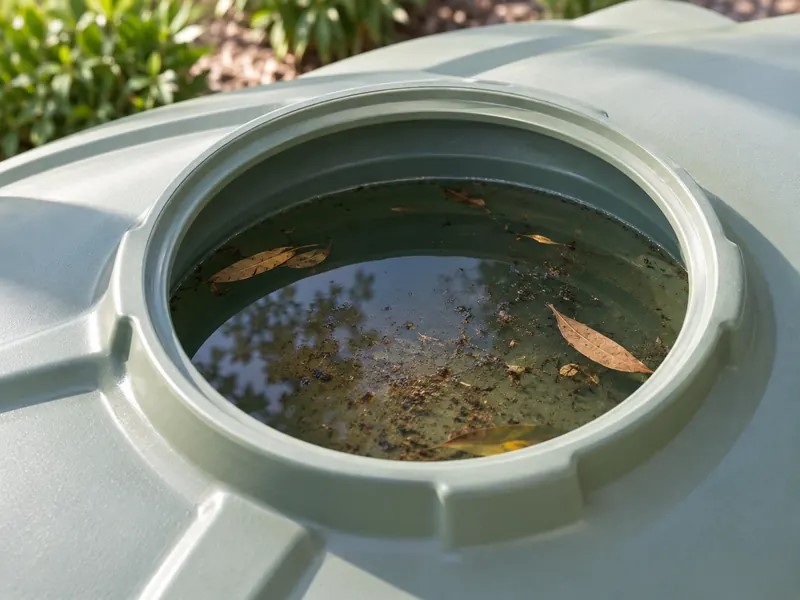
Over time, dust, roof debris, organic matter, and fine particles can enter rainwater tanks through collection systems. Some material settles at the bottom, gradually forming sediment deposits.
Professional cleaning may involve removing accumulated debris and sediment using methods appropriate for the tank’s construction and accessibility. If sediment affects pump performance or causes water pressure issues, residents may need to consult specialists offering rainwater tank pump repairs in Sydney to restore proper system operation.
Technicians may also assess whether gutter maintenance, inlet screens, or filtration improvements could reduce future contamination.
Cleaning helps address visible debris, but it does not automatically make stored rainwater safe for drinking. Water intended for consumption requires appropriate assessment and treatment based on its intended use.
3. Rainwater Pump Inspection and Fault Diagnosis
The pump plays an important role in supplying stored water to connected household fixtures. A malfunctioning pump can cause inconsistent pressure, interrupted supply or unexpected switching to another water source.
Property owners experiencing weak water pressure, unusual pump noises, or frequent cycling can consult Xceed Plumbing for rainwater tank pump repair services in Sydney to help identify the underlying fault and determine suitable repair solutions.
Depending on the equipment, technicians may inspect electrical connections, pressure controls, pump operation and associated plumbing. Repair recommendations should follow proper diagnosis rather than assuming that every pressure problem requires pump replacement.
4. Filter Inspection and Replacement
Filtration components help capture certain particles before stored rainwater reaches connected equipment or outlets. However, filters may become blocked or less effective as debris accumulates.
A maintenance assessment can identify damaged filter housings, restricted flow and cartridges that require replacement.
The appropriate replacement depends on the filtration system, equipment specifications and intended water application. Regular filter maintenance can support consistent system operation, although filtration alone does not guarantee drinking-water safety.
How Are Common Rainwater Tank Problems Identified?
Rainwater collection systems contain several interconnected components. Problems affecting one part can influence the performance of the entire setup.
Leaking Pipes and Damaged Connections
Water escaping from fittings or connected pipework can reduce the amount of stored rainwater available for household use. Leaks may result from loose connections, deteriorating seals, damaged pipes or other mechanical issues. Experienced technicians undertaking rainwater tank repairs identify the source of water loss before recommending suitable repair methods.
Some faults can be addressed by replacing fittings or repairing pipework. More extensive damage may require additional assessment to determine whether replacement is appropriate.
Overflow and Inlet Problems
Overflow outlets allow excess rainwater to leave the tank when storage capacity is reached. Blockages, damaged screens or unsuitable drainage arrangements may interfere with this process.
Similarly, poorly maintained inlet connections can allow leaves and unwanted debris to enter the storage system.
Inspecting these components helps identify restrictions and potential entry points for insects or contaminants.
Automatic Water Switching Faults
Some rainwater systems automatically switch between tank water and another supply when stored water becomes insufficient.
If the switching equipment malfunctions, connected fixtures may receive inconsistent water pressure or unexpectedly draw from the alternative supply.
A qualified technician can examine the controller, pump and relevant connections to determine whether the issue involves equipment failure, system settings or plumbing faults.
When Should a Rainwater Tank Be Repaired or Replaced?
Not every malfunction requires a new storage tank. Minor plumbing leaks, damaged filters and certain pump faults may be repairable without replacing the complete system.
However, extensive structural deterioration, unsuitable capacity or repeated failures can make replacement worth considering.
For properties requiring an upgraded storage arrangement, experts in rainwater tank installation in Sydney can assess tank capacity, available space, suitable positioning and connections to intended outlets.
Installation planning should also consider access requirements, drainage arrangements and applicable plumbing requirements. A properly designed system should match the property’s water usage rather than relying solely on tank size.
How Often Should Rainwater Tanks Be Professionally Serviced?
There is no single maintenance interval suitable for every rainwater tank. The appropriate frequency depends on environmental exposure, system age, water usage, manufacturer recommendations and previous maintenance findings.
Properties surrounded by trees may experience greater leaf and organic debris accumulation. Similarly, heavy rainfall can wash additional particles from roofing and guttering into collection systems.
A practical maintenance approach includes periodic visual checks, regular gutter cleaning, and prompt investigation of unusual operating conditions. For newly installed systems, specialists in rainwater tank installation services in Sydney can also advise on appropriate maintenance requirements.
Professional servicing becomes particularly important when there are persistent leaks, reduced water pressure, unusual odours or visible sediment.
What Are the Benefits of Preventive Rainwater Tank Maintenance?
Preventive maintenance helps property owners address smaller problems before they interfere with everyday water use.
The main benefits include:
- Improved reliability: Identifying faulty components can reduce unexpected interruptions.
- Reduced water loss: Repairing leaks helps preserve stored rainwater.
- Better pump performance: Fault diagnosis can address pressure and operational issues.
- Longer component life: Suitable maintenance may reduce unnecessary equipment strain.
- Informed repair decisions: Inspections help distinguish routine servicing needs from major faults.
For Sydney properties, seasonal changes and surrounding vegetation make regular attention to roof catchments, gutters and storage components especially valuable.
Frequently Asked Questions
What does a professional rainwater tank service include?
A professional service generally includes inspecting accessible tank components, checking plumbing connections, assessing pump operation and examining filtration equipment. Cleaning or repairs may be recommended separately depending on the findings and agreed service scope.
How do I know if my rainwater tank needs cleaning?
Visible sediment, unusual odours, accumulated debris and changes in stored water appearance can indicate that inspection is needed. A technician can assess whether cleaning is appropriate and investigate possible sources of contamination.
Can a plumber repair a malfunctioning rainwater tank pump?
A suitably qualified plumber can investigate pump-related plumbing faults and determine whether repair or component replacement is appropriate. Electrical faults may require a licensed electrical professional.
How long does professional rainwater tank servicing take?
The duration depends on tank accessibility, system size and the work required. Basic inspections may be straightforward, while cleaning, fault diagnosis, and repairs can take longer. A service provider can explain the expected scope after assessing the system.
Is rainwater tank servicing necessary if the system works normally?
Yes, preventive inspections can identify developing problems that are not immediately noticeable. Regular checks may reveal deteriorating fittings, filtration restrictions or early signs of leakage before significant performance issues arise.
Does cleaning a rainwater tank make the water safe to drink?
Not necessarily. Cleaning removes certain accumulated materials but does not confirm that water is microbiologically or chemically safe. Drinking-water suitability depends on the collection system, contamination risks, appropriate treatment and, where necessary, testing.
Conclusion
Professional rainwater tank servicing involves more than cleaning a storage container. It includes evaluating structural condition, inspecting connected plumbing, checking pump performance and identifying filtration or overflow problems. Routine maintenance can help reduce avoidable water loss, support dependable operation and inform timely repair decisions.
Property owners considering a rainwater tank service in Sydney should prioritise accurate fault assessment and maintenance suited to their system’s design and water usage. With appropriate inspections and timely attention, rainwater storage systems can continue supporting practical household water needs.
For rainwater tank inspections, cleaning, and maintenance, contact Xceed Plumbing. Visit the professional location on Google Maps for directions and service enquiries.