

If you’ve been thinking about veneers for a while but haven’t taken the first step yet, you’re not alone. Most first-time veneer patients spend months, sometimes years, researching before they ever book a consultation. They have questions about the process, concerns about the commitment, and a healthy amount of uncertainty about whether veneers are actually right for them.
Table of Contents
The good news is that getting veneers doesn’t have to feel overwhelming. Once you understand what the process actually involves, what to expect at each stage, and what questions to ask before committing, the path forward becomes a lot clearer.
This guide is written specifically for first-time veneer patients. Whether you’re just starting to explore the option or you’re almost ready to book your first consultation, here’s everything you need to know about veneers in Agoura Hills before you take that first step.
What Veneers Actually Are
Veneers are thin shells, usually made from porcelain or composite resin, that are bonded to the front surface of your teeth. They change the color, shape, size, and overall appearance of your smile in a way that looks completely natural when done well.
Porcelain veneers are the most popular choice for most patients because they closely mimic the light-reflecting properties of natural tooth enamel. They’re highly stain-resistant, durable, and, when crafted by an experienced cosmetic dentist, virtually indistinguishable from your natural teeth.
Composite veneers are applied directly to the tooth in a single visit and sculpted by hand. They’re less expensive and faster to place, but they don’t last as long as porcelain and are more prone to staining over time. Your dentist will help you understand which option makes the most sense for your specific situation during your consultation.
What Problems Veneers Can Fix
One of the most common misconceptions about veneers is that they’re purely a cosmetic luxury for people who want a Hollywood smile. In reality, veneers address a wide range of concerns that affect how patients feel about their smile every single day.
Veneers are commonly used to fix:
- Teeth that are permanently stained or discolored and don’t respond to whitening
- Chipped, cracked, or worn teeth that have lost their original shape
- Gaps or spaces between teeth that bother you aesthetically
- Teeth that are slightly misaligned, uneven, or irregular in shape
- Teeth that are too small relative to the rest of the smile
- A combination of several of the above concerns at once
If your concern falls into one of these categories and your underlying oral health is in good shape, veneers are likely worth exploring as a solution.
The Veneer Process Step by Step
Understanding what the process actually looks like from start to finish takes a lot of the mystery and anxiety out of moving forward. Here is what a typical veneer journey looks like for a first-time patient.
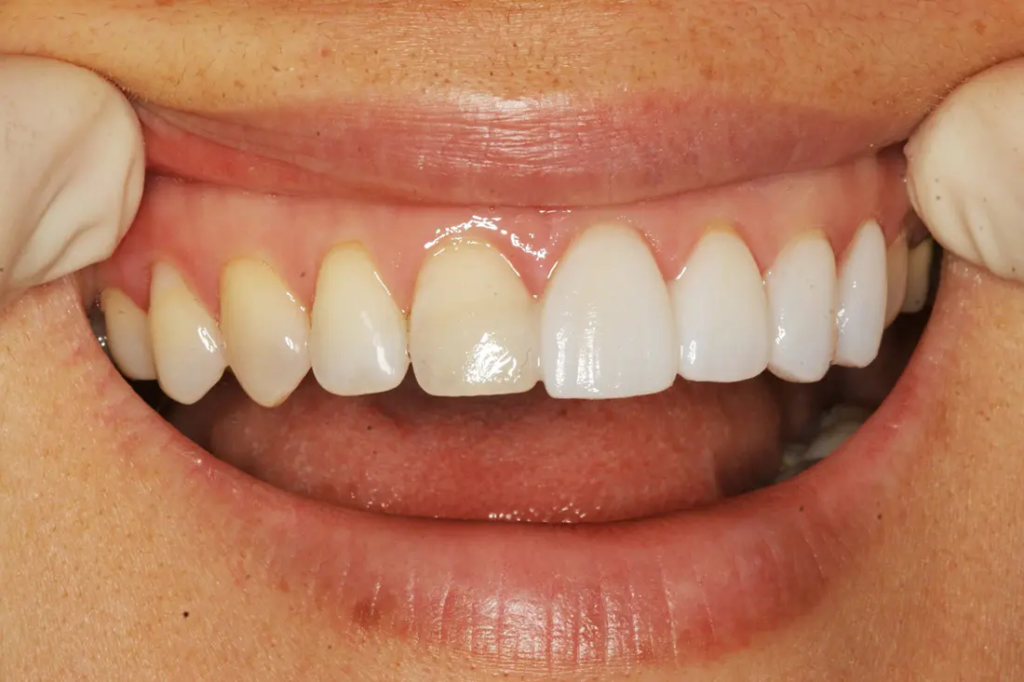
The process starts with a consultation where your dentist evaluates your teeth, discusses your goals, and determines whether veneers are the right fit for your situation. This is also where digital smile design tools are often used to give you a preview of what your result could look like before any work begins.
If you decide to move forward, the next appointment involves preparing the teeth. A small, thin layer of enamel is removed from the front surface of each tooth that will receive a veneer. This creates space for the veneer to sit naturally without looking bulky. Impressions or digital scans are then taken and sent to a dental lab where your custom veneers are fabricated.
While your permanent veneers are being made, which typically takes one to two weeks, temporary veneers are placed to protect your prepared teeth and give you a preview of the final result. When your permanent veneers are ready, you come back for the placement appointment where each veneer is carefully bonded to the tooth, checked for fit and bite, and polished to a natural finish.
Choosing the Right Provider
This is the most important decision you will make in your veneer journey, and it deserves more thought than most first-time patients give it. Veneers are a skill-intensive cosmetic procedure. The final result depends enormously on the experience, aesthetic judgment, and technical precision of the dentist doing the work.
When evaluating a provider for your porcelain veneer treatment, here are the things worth paying attention to:
- Ask to see before and after photos of real patients, specifically cases similar to your own
- Ask how many veneer cases they complete regularly and whether they handle full smile makeovers
- Ask whether they use digital smile design tools so you can preview your result beforehand
- Ask about their approach to enamel preservation and whether minimal prep or no prep options are available
- Ask what materials they use and why they prefer them for your specific case
A dentist who is confident in their cosmetic work will welcome these questions and answer them clearly. If a provider seems reluctant to show you their results or gives vague answers about their process, that’s worth paying attention to.
What First-Time Patients Often Get Wrong
After years of working with patients through their first veneer experience, a few common mistakes keep coming up that are worth flagging before you get started.
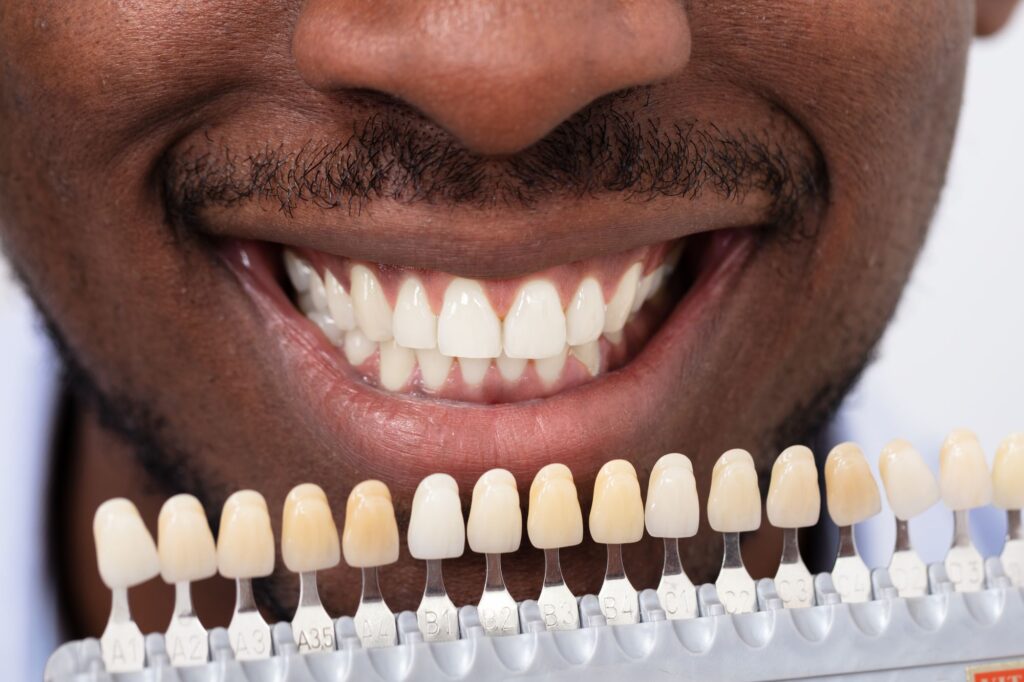
The first is rushing the shade selection. Choosing the right shade for your veneers is more nuanced than picking the whitest option available. Veneers that are too white for your skin tone and surrounding teeth can look artificial and draw attention for the wrong reasons. Take your time with this decision and trust your dentist’s guidance on what will look most natural for your face.
The second is skipping the digital preview stage. If your provider offers digital smile design, use it. Seeing a projected image of your result before any preparation begins helps you communicate your preferences clearly and reduces the risk of being surprised by the final outcome.
The third is not asking about the bite. Veneers change the shape of your front teeth, and if the bite isn’t carefully evaluated and accounted for during planning, it can create pressure points that cause discomfort or accelerate veneer wear over time. A thorough bite assessment before treatment begins is non-negotiable.
What to Expect After Your Veneers Are Placed
Most patients adjust to their new veneers within a few days. Mild sensitivity to temperature is common in the first week or two as the teeth settle after preparation, and this typically resolves on its own.
Caring for veneers is straightforward. Brush and floss as normal, attend regular dental checkups, and avoid habits that put unnecessary stress on them, like biting your nails, chewing on ice, or using your teeth to open packaging. With proper care, porcelain veneers typically last ten to fifteen years or longer before needing replacement.
One thing worth knowing upfront is that once you have veneers placed, your teeth will always need some form of restoration going forward, since a small amount of enamel was removed during preparation. Most patients find this a perfectly acceptable trade-off given how significantly their smile and confidence improve after treatment. The key is making sure you’re fully informed about this before you commit.

Agoura Advanced Dentistry serves patients across Agoura Hills, Calabasas, Westlake Village, Thousand Oaks, Oak Park, and Malibu. Call or visit the website to book your veneer consultation today.
FAQs
Are veneers painful to get?
The preparation process involves local anesthesia, so you won’t feel anything during the appointment. Some sensitivity in the days after preparation is normal and temporary.
How long do porcelain veneers last?
With proper care and regular dental visits, porcelain veneers typically last ten to fifteen years or longer. Composite veneers generally last three to seven years.
Can I get veneers on just a few teeth?
Yes. Some patients get veneers on a single tooth, while others get a full smile set. Your dentist will help you determine how many are needed for a balanced, natural looking result.
Will my veneers look fake?
Not when placed by an experienced cosmetic dentist. Modern porcelain closely mimics natural tooth enamel. The key is choosing the right shade and working with a provider who has strong cosmetic experience.
What if I’m not happy with the result?
This is why the consultation and digital preview stages are so important. Communicating your preferences clearly before treatment begins and carefully reviewing your temporary veneers give you multiple opportunities to refine the result before the permanent veneers are bonded.
Ready to Take the First Step?
Getting veneers for the first time is a significant decision, and the right provider makes all the difference. A thorough consultation gives you a clear picture of what’s possible, what the process involves, and what your smile could look like in the end.
