

If you have ever tried to get a cat into a carrier, you already know that cats and veterinary visits have a complicated relationship. For many cats, the entire experience, from the carrier coming out of the closet to the car ride to the waiting room to the exam table, is one long escalating stress response. By the time the vaccine is actually administered, some cats are so worked up that the visit becomes genuinely difficult for everyone involved, including the cat, the owner, and the veterinary team.
Table of Contents
- Why Cats Experience Vet Visits So Differently From Dogs
- What Fear-Free Certification Actually Means in Practice
- Why This Matters for Your Cat’s Long-Term Health
- What Cat Vaccines Your Encino Cat Actually Needs
- How to Find a Fear-Free Cat Vaccination Clinic Near You in Encino
- Tips for Making Your Cat’s Vaccine Visit Easier at Home
- FAQs
- My cat becomes completely unmanageable at the vet. Is there anything that can help?
- Do indoor cats in Encino really need vaccines?
- How often does my cat need vaccines in Encino?
- What is the difference between a fear-free certified clinic and a regular vet?
- My cat has never been vaccinated as an adult. Where do we start?
- Your Cat Deserves a Vet Visit That Does Not Traumatize Them
What most cat owners in Encino do not realize is that this does not have to be the default experience. The fear-free veterinary movement has changed how a growing number of practices approach every aspect of a cat’s visit, from the moment you call to book to the moment you walk back out the door. And for cats specifically, who tend to experience stress more intensely and recover from it more slowly than dogs, the difference between a standard clinic and a fear-free certified practice is not just about comfort. It has direct implications for the accuracy of the exam, the safety of the vaccine administration, and whether your cat will let you get them into a carrier for the next visit.
If you have been searching for cat vaccination near you in Encino and wondering what actually separates one clinic from another, this is the distinction worth understanding before you book.
Why Cats Experience Vet Visits So Differently From Dogs
Cats are not small dogs. Their stress response, their communication style, and their recovery from anxiety work differently, and understanding those differences explains why the fear-free approach matters more for cats than for almost any other patient type.
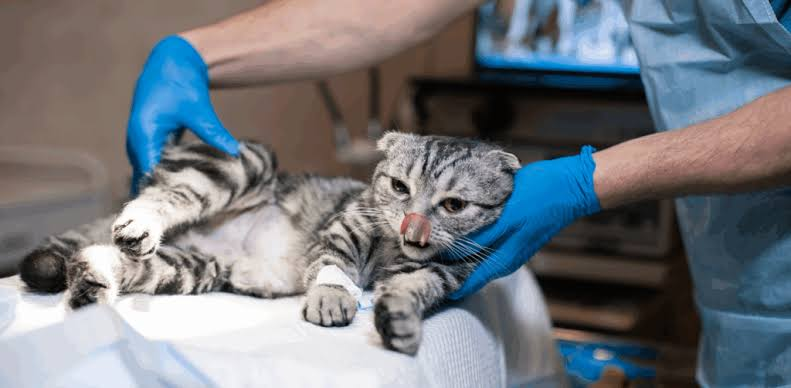
Cats are prey animals by evolutionary design. Unlike dogs, who descended from pack animals with a social structure that includes tolerating handling by a dominant figure, cats are wired to treat unfamiliar handling, unfamiliar environments, and unfamiliar smells as potential threats. A veterinary clinic, with its mix of dog smells, antiseptic cleaning products, strange sounds, and unfamiliar people, is a genuinely overwhelming sensory environment for most cats.
The stress response this triggers is not just behavioral. Elevated cortisol levels from anxiety cause measurable changes in a cat’s physical parameters during an exam. Heart rate, respiratory rate, and blood pressure all increase significantly in a stressed cat, which means a vet examining a highly anxious cat is working with data that does not accurately reflect the cat’s baseline health. A heart rate that looks concerning in an anxious clinic cat may be completely normal at home. Blood pressure readings taken in a stressed cat are similarly unreliable.
Beyond the diagnostic implications, a cat in a full fear response is also harder to handle safely, which affects the quality of the vaccine administration itself and increases the risk of injury to both the cat and the team.
What Fear-Free Certification Actually Means in Practice
Fear-free is not a marketing phrase. It is a formal certification program for veterinary professionals that covers specific training in animal behavior, low-stress handling techniques, environmental design, and the use of pre-visit medications for highly anxious patients.
A fear-free certified practice approaches a cat’s visit differently from the very beginning. The waiting area is designed to separate cats from dogs where possible, because even the smell and sound of dogs in the same space elevates a cat’s stress before they ever reach the exam room. Exam rooms used for cats are cleaned with products that do not leave behind the olfactory traces of prior patients. Pheromone diffusers using synthetic feline calming signals are often used in waiting and exam areas to reduce baseline anxiety.
The handling techniques used by a fear-free certified team are specifically designed to work with a cat’s instincts rather than against them. This means allowing cats to stay in the bottom half of their carrier during portions of the exam rather than being pulled out onto an open table. It means giving cats control over their position where possible. It means reading behavioral signals that indicate rising stress and pausing or adjusting the approach before the cat reaches a threshold where the visit becomes genuinely traumatic.
For vaccine administration specifically, fear-free technique focuses on minimizing restraint, using distraction with treats or scent where appropriate, and choosing injection sites and techniques that cause the least disruption to the cat’s sense of control over the interaction.
Why This Matters for Your Cat’s Long-Term Health
The fear-free approach is not just about making a single visit more pleasant. It has cumulative implications for your cat’s long-term health that are worth understanding as an owner.
Cats who have consistently stressful veterinary experiences develop what veterinary behaviorists call negative visit associations. Over time, this means the stress response begins earlier and escalates faster with each subsequent visit. A cat who was manageable at two years old may become genuinely difficult to examine safely at five if every visit has reinforced the association between the carrier, the car, and an overwhelming experience.
The practical consequence of this is that owners start avoiding vet visits because of the difficulty involved. And cats who are not seen regularly are the ones whose chronic conditions, dental disease, kidney disease, thyroid changes, and weight changes go undetected for longer than they should.
A fear-free practice breaks this cycle by building positive or at minimum neutral associations with the veterinary experience over time. A cat who leaves a visit without having been overwhelmed is a cat who is slightly easier to handle at the next visit. Accumulated over years, this difference is meaningful.
What Cat Vaccines Your Encino Cat Actually Needs
Before discussing how to find the right cat vaccination hospital near you in Encino, it is worth being clear about what your cat actually needs from a vaccination standpoint, because this varies more than most owners realize.
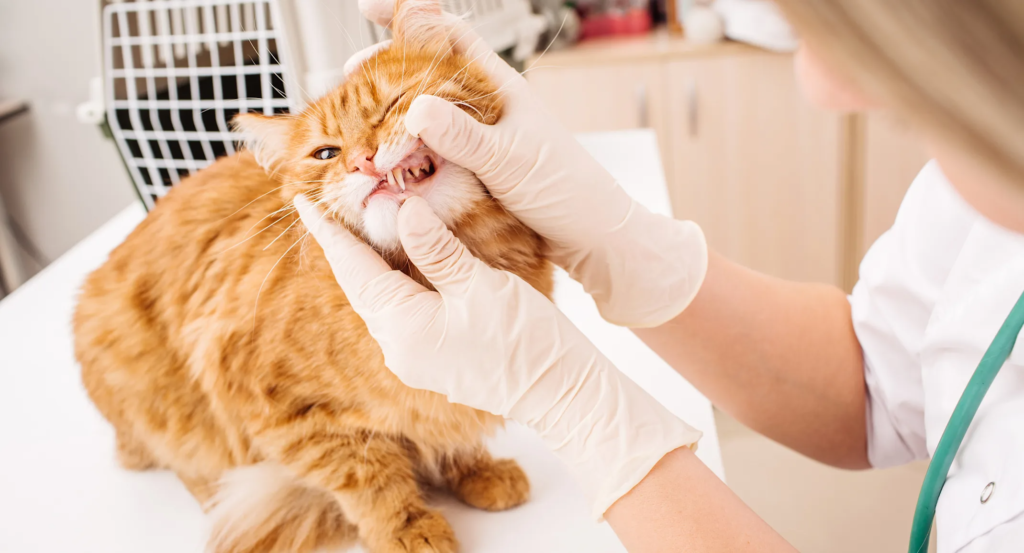
Core vaccines for cats are non-negotiable regardless of lifestyle. FVRCP, which covers feline viral rhinotracheitis, calicivirus, and panleukopenia, is the primary core combination vaccine for cats and is given as a series in kittens and then boosted on an adult schedule. Rabies vaccination is required by California law for all cats over four months of age, and a licensed veterinarian must administer it and issue a county-registered certificate.
Lifestyle vaccines are where the conversation gets more individual. FeLV, the feline leukemia virus vaccine, is recommended for cats with any outdoor access or exposure to other cats whose status is unknown. It is not necessary for a genuinely indoor-only cat with no exposure risk, but is strongly recommended for any cat who goes outside, lives with other cats, or has any potential contact with outside cats through screened windows or shared outdoor spaces.
A good fear-free clinic will not simply run through a checklist. They will ask about your cat’s lifestyle, living situation, and exposure risk and build a vaccine schedule around what your individual cat actually needs rather than a one-size-fits-all protocol applied to every patient.
How to Find a Fear-Free Cat Vaccination Clinic Near You in Encino
Knowing what to look for before you book saves time and ensures your cat ends up at a practice that genuinely approaches their visit differently rather than one that uses fear-free language without the substance behind it.
The first thing to verify is actual fear-free certification. The Fear Free organization maintains a directory of certified practices and professionals at fearfreepets.com. A practice that lists fear-free certification on their website but cannot point to specific credentialed team members is worth asking more questions about.
Second, ask specifically how the practice handles cats. Questions worth raising include whether cats and dogs are separated in the waiting area, whether cats can remain in the bottom of their carrier during portions of the exam, whether pheromone products are used in the exam rooms, and whether pre-visit medication is offered for cats with known anxiety. A practice that answers these questions specifically and confidently has thought carefully about the cat patient experience.
Third, consider the overall environment when you visit for the first time. A waiting room that feels calm, where your cat is not immediately surrounded by the sights and sounds of anxious dogs, is a meaningful starting point. The physical environment tells you a lot about how seriously a practice takes the low-stress experience before any team member has said a word.
For Encino cat owners looking for a cat vaccination clinic in Encino that combines fear-free handling with full-service veterinary care, the combination of certification, in-house diagnostic capability, and same-day urgent care availability in a single practice means your cat’s routine vaccine visit and their urgent care needs are handled in a consistent, familiar environment by a team that already knows them.
Tips for Making Your Cat’s Vaccine Visit Easier at Home
The fear-free experience starts before your cat ever reaches the clinic, and there are several things you can do at home to reduce your cat’s baseline anxiety before a vaccine appointment.
Leave the carrier out in a common area of your home for several days before the visit rather than bringing it out only on appointment day. A carrier that appears only when something stressful happens becomes a stress trigger on its own. A carrier that sits in the living room with a familiar blanket inside is a neutral or even comfortable object by appointment day.
Spray the inside of the carrier with a synthetic feline pheromone product like Feliway approximately 30 minutes before loading your cat. These products mimic the calming facial pheromones cats use to mark familiar territory and reduce the novelty stress of the carrier environment.
Avoid feeding your cat a large meal immediately before the appointment. A slightly empty stomach means treats used during the visit as positive reinforcement are more motivating, and it reduces the risk of nausea during car transport.
Drive as smoothly as possible and keep the car quiet during transport. Cover the carrier with a light blanket to reduce visual stimulation from the moving environment outside the windows.

Encino Pet Hospital and Emergency is fear-free certified and offers cat vaccinations in Encino for kittens and adult cats with a veterinarian involved in every visit. Open seven days a week, including holidays.
FAQs
My cat becomes completely unmanageable at the vet. Is there anything that can help?
Yes. Pre-visit medication is a legitimate and increasingly common option for cats with significant veterinary anxiety. A fear-free certified vet can prescribe a mild anxiolytic given at home before the appointment that reduces the cat’s baseline stress without sedating them. Many owners find that one or two visits with pre-visit medication breaks the cycle of escalating anxiety significantly.
Do indoor cats in Encino really need vaccines?
Core vaccines including FVRCP and rabies are recommended for all cats regardless of indoor or outdoor status. Rabies is required by California law. Indoor cats can be exposed to illness through open windows, escaped outdoor time, or new animals introduced to the household. The lifestyle conversation is primarily relevant for FeLV and other non-core vaccines.
How often does my cat need vaccines in Encino?
After the initial kitten series, core vaccines are typically boosted at one year and then every one to three years depending on the specific vaccine and your cat’s health history. Your vet will build a schedule specific to your cat rather than applying a blanket annual protocol.
What is the difference between a fear-free certified clinic and a regular vet?
A fear-free certified clinic has completed formal training in low-stress handling, environmental design, and behavioral science specifically aimed at reducing patient anxiety. A regular vet may be compassionate and skilled without this specific training. The certification indicates a deliberate, structured commitment to the low-stress experience rather than simply good intentions.
My cat has never been vaccinated as an adult. Where do we start?
Start with a new patient wellness exam where the vet assesses your cat’s current health status before administering anything. Depending on your cat’s prior vaccine history, they may need to restart certain series or simply pick up with appropriate boosters. Bring any prior records you have access to, but do not delay the visit because records are incomplete.
Your Cat Deserves a Vet Visit That Does Not Traumatize Them
The standard that fear-free veterinary care sets is not a luxury add-on. It is a recognition that how a cat experiences a vet visit has direct implications for their health, their behavior at home, and whether they receive the consistent care they need over the course of their life.
Finding a cat vaccination clinic near you in Encino that takes this seriously is worth the effort of asking the right questions before you book. The right practice will not just administer vaccines efficiently. It will know your cat, handle them with genuine skill and patience, and make the next visit slightly easier than the last one.


