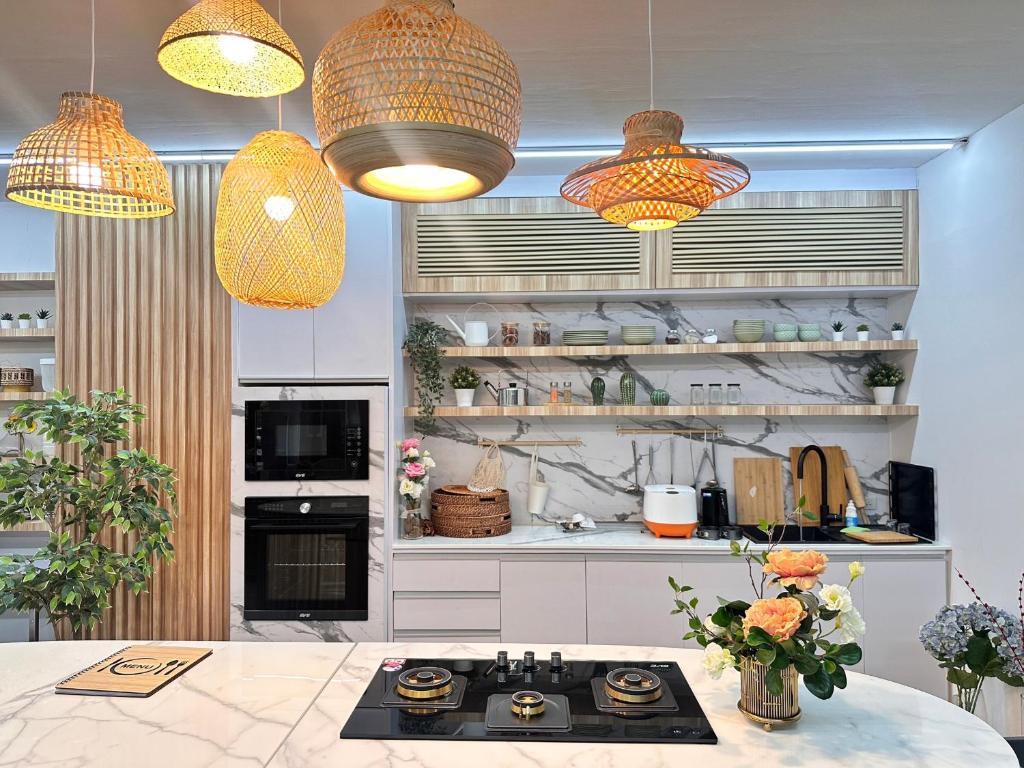

Modern furniture has transformed the way we live, combining aesthetics with functionality to create spaces that are both beautiful and practical. Whether you’re redecorating your home or just looking to add a few pieces, understanding the nuances of modern furniture can help you make informed decisions. In Canada, the market for modern furniture is thriving, offering a plethora of options for every taste and budget.
Table of Contents
The Evolution of Modern Furniture

Modern furniture has its roots in the late 19th and early 20th centuries, influenced by various design movements such as Bauhaus, mid-century modern, and Scandinavian design. These movements emphasized simplicity, clean lines, and the use of new materials and technologies, breaking away from the ornate styles of the past.
Characteristics of Modern Furniture
Minimalistic Design
Modern furniture is often characterized by its minimalistic approach, focusing on simplicity and the elimination of unnecessary details. This design philosophy creates clean, uncluttered spaces that promote relaxation and efficiency. The minimalistic design is not only about reducing clutter but also about emphasizing functionality. Each piece of furniture is designed to serve a purpose without overwhelming the space. This leads to an environment where every item has its place and use, contributing to a sense of order and calm.
Functionality and Practicality Color Schema
Every piece of modern furniture serves a purpose, often incorporating multifunctional elements. For example, a sofa might double as a storage unit or a coffee table might transform into a dining table. Neutral colour palettes dominate modern furniture canada, with shades of white, black, gray, and beige being the most common. However, bold accent colours are sometimes used to add interest and personality to a space.
Use of Natural Materials
Another characteristic of modern furniture is the use of natural materials such as wood, metal, and glass. These materials are often left in their natural state or lightly finished to highlight their inherent beauty and texture.
This approach not only enhances the aesthetic appeal of the furniture but also promotes sustainability by reducing the need for excessive processing and chemical treatments. The use of natural materials also adds warmth and a sense of connection to nature within the home.
Popular Modern Furniture Styles in Canada
Scandinavian Style
Known for its simplicity and functionality, the Scandinavian style features light wood tones, neutral colours, and an emphasis on natural light. It’s a favourite in Canadian homes for its clean and airy feel. The design philosophy behind Scandinavian furniture is rooted in minimalism and practicality, making it easy to integrate into various interiors furniture pieces often have sleek lines and are designed to be both beautiful and useful, with storage solutions that help keep spaces uncluttered. Natural elements such as wool, cotton, and leather are commonly used to add warmth and texture.
Mid-century Modern
This style, which gained popularity in the 1950s and 60s, is characterized by organic shapes, tapered legs, and a mix of natural and synthetic materials. It’s perfect for those who appreciate retro aesthetics with a modern twist.
mid-century modern furniture is prized for its timeless appeal and functionality. Pieces often feature bold colours and patterns, which can serve as statement pieces in a room. Designers like Charles and Ray Eames, Eero Saarinen, and George Nelson have greatly influenced this style, bringing a blend of art and practicality that continues to resonate today.
Industrial Style
Inspired by old factories and industrial spaces, this style incorporates raw materials like exposed brick, metal, and reclaimed wood. It’s ideal for creating a rugged, urban look. In Canadian homes, industrial furniture often includes elements such as metal light fixtures, wooden beams, and open shelving units that showcase the raw beauty of materials. This style is particularly popular in lofts and open-concept living spaces, where the industrial aesthetic can shine. The use of vintage or repurposed items adds a sense of history and character to the space.
Contemporary Style
Contemporary modern furniture blends various styles and periods, focusing on current trends. It’s versatile and constantly evolving, making it suitable for those who like to keep up with the latest in design. In Canada, contemporary furniture is marked by clean lines, neutral colour palettes, and innovative use of materials and technology.
This style often incorporates elements from other modern styles, such as Scandinavian and industrial, creating a cohesive yet dynamic look. The adaptability of contemporary furniture makes it a popular choice for modern Canadian homes, as it can easily be updated to reflect new trends and personal preferences.
Pisa Drum Tables
SKU1150330 These functional yet highly expressive sculptural tables work together as a group or each can be enjoyed as a dynamic, stand alone object.

Dimensions
Small : 26″ x 17″ x 22″H
Medium : 30″ x 20″ x 18″H
Large : 42″ x 28″ x 14″H
Zuma Coffee Table
An alluring coffee table. Features a concrete top with a black/charcoal soft slate effect and a black tempered glass shelf. Finished with sleek black steel legs with brushed gold foot caps. Crafted from a natural concrete mix, each piece will look different. Variations in colour, texture, imperfections, surface scratches and non-structural hairline cracks are considered inherent and valued qualities of the material. Suitable for indoor and covered outdoor spaces. Made in India.

With refined craftsmanship, this design was brought to life by skilled local artisans. Due to the nature of handcraftsmanship, unique imperfections such as fissures, markings and variations in colour and shape are welcomed and appreciated characteristics for a truly one-of-a-kind piece.
Dimensions: 40″ (diameter) x 17.50″ (height)
Choosing Modern Furniture for Your Home
Assessing Your Space
Before purchasing furniture, it’s crucial to thoroughly assess the size and layout of your space. Start by measuring your rooms, taking note of dimensions, doorways, and existing architectural features. Consider how the furniture will fit and function within these constraints.
For instance, a large sectional sofa might be ideal for a spacious living room but overwhelming in a smaller space. Visualize the placement of each piece to ensure it complements the flow and doesn’t obstruct pathways or windows.
Budget Considerations
Setting a budget for your furniture purchases is a critical step. Furniture can range widely in price, and having a clear budget helps you prioritize and make strategic decisions. Remember, investing in quality pieces can save you money in the long run. Durable and timeless furniture might have a higher upfront cost but offers better longevity and reduces the need for frequent replacements. Allocate your budget wisely, perhaps splurging on statement pieces while opting for more affordable items for secondary needs.
Quality vs. Affordability
While it’s tempting to go for the cheapest options, the adage you get what you pay for often holds true in furniture shopping. Assess the quality and longevity of the pieces you’re considering. High-quality furniture, made with robust materials and excellent craftsmanship, tends to be more durable and withstands daily wear and tear better than cheaper alternatives. Sometimes, spending a bit more upfront can result in better value over time, offering comfort and aesthetic appeal that lasts.
Functionality and Practicality
In addition to style and quality, consider the functionality and practicality of the furniture. Think about how you use your space and choose pieces that accommodate your lifestyle. For instance, if you frequently entertain guests, a modular sofa might be a practical choice due to its flexibility. Similarly, if storage is a concern, look for furniture with built-in storage solutions like ottomans or coffee tables with drawers.
Sustainability and Ethical Considerations
In today’s world, sustainability and ethical considerations play an increasingly important role in purchasing decisions. Look for furniture made from eco-friendly materials and produced by companies with ethical manufacturing practices. Sustainable furniture not only contributes to environmental conservation but also supports fair labour practices. Additionally, eco-friendly materials like bamboo or recycled wood add a unique and responsible touch to your home décor.
Dali Coffee Table

With a distinct curvy design, this coffee table is guaranteed to bring allure to any space. Crafted from white concrete to provide style and durability in various applications. Suitable for indoor and outdoor covered spaces. Coordinating end table in small and large sizes also available. Crafted from a natural concrete mix, each piece will look different, with variations of white hues that will enhance over time.
Final Thoughts
Modern furniture plays a crucial role in creating stylish, functional, and comfortable living spaces. With a variety of styles and options available, there’s something for everyone in the Canadian market. Whether you prefer to shop online or in-store, prioritize quality, sustainability, and functionality to make the most of your modern furniture Canada investments.
FAQs
What defines modern furniture?
Modern furniture is characterized by its clean lines, minimalistic design, and the use of materials like metal, glass, and wood. It focuses on functionality and often incorporates innovative elements.
How can I incorporate modern furniture into a small space?
Choose multifunctional pieces, such as a sofa with storage or a foldable dining table. Opt for light colours and sleek designs to create an open, airy feel.
Are there budget-friendly modern furniture options?
Yes, many brands offer affordable modern furniture without compromising on style. Look for sales, discounts, and direct-to-consumer brands to find budget-friendly options.
What are some must-have modern furniture pieces?
Essential pieces include a comfortable sofa, a functional dining table, ergonomic office furniture, and versatile storage solutions. These items form the foundation of a modern home.
How do I care for my modern furniture?
Regularly clean your furniture with appropriate products, protect surfaces from damage, and address wear and tear promptly. Seasonal care is also important for outdoor furniture to ensure its longevity.