

Your roof is one of the most important parts of your home. It protects your family, belongings, insulation system, and interior spaces from Canada’s changing weather conditions. From heavy snowfall and freezing temperatures to strong winds and summer storms, Canadian homes require roofing systems that can handle year-round challenges. Choosing the right roofing contractor is a decision you shouldn’t rush. A poorly installed roof can lead to leaks, moisture problems, higher energy costs, and unexpected repairs. Homeowners should understand what to look for before hiring a professional, including experience, materials, warranties, project details, and local knowledge.
Table of Contents
- Understand Your Roofing Needs Before Hiring a Contractor
- Check Experience and Credentials Before Making a Choice
- Understand Roofing Materials and Installation Quality
- Ask About Warranties and Project Protection
- Consider Climate-Specific Roofing Requirements in Canada
- Common Mistakes Homeowners Should Avoid
- How to Prepare Your Home Before Roofing Work Begins
- Frequently Asked Questions
- How do I know if I need roof replacement or repairs?
- How long does a residential roof usually last in Canada?
- What should I ask a roofing contractor before hiring them?
- How much does a residential roof replacement cost?
- Why is ventilation important for a roofing system?
- Should homeowners replace a roof before selling a property?
- Frequently Asked Questions
- Conclusion
Understand Your Roofing Needs Before Hiring a Contractor
Before contacting a roofing professional, homeowners should understand their roof’s current condition. Problems may include damaged shingles, poor ventilation, flashing issues, or drainage concerns. A qualified residential roofing contractor should begin with a detailed inspection instead of immediately recommending the most expensive option. A proper assessment helps determine whether repairs, maintenance, or replacement is the most suitable solution.
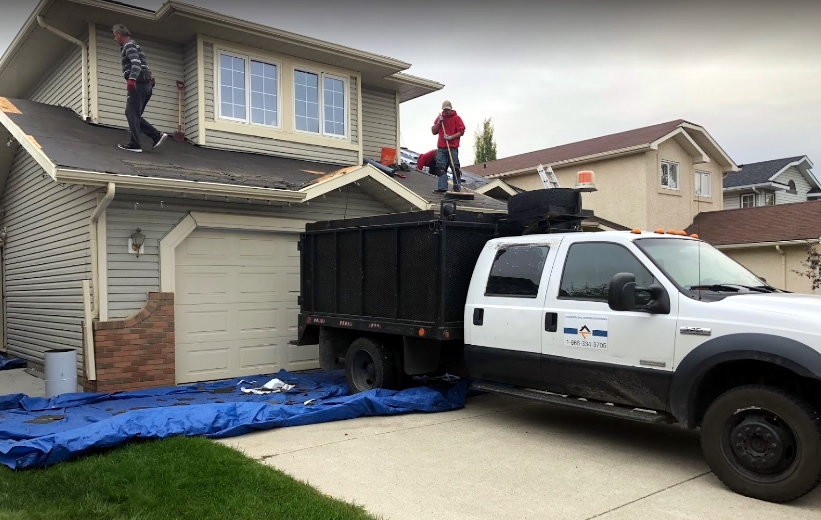
Check Experience and Credentials Before Making a Choice
Why Experience Matters in Residential Roofing
Roofing requires technical knowledge, proper installation techniques, and an understanding of local climate conditions. Canadian homes experience unique challenges, including freeze-thaw cycles, heavy snow loads, rain, wind, and temperature changes.
When comparing contractors, homeowners should review:
- Years of industry experience
- Certifications and training
- Insurance coverage
- Warranty options
- Customer reviews and references
A professional roofing contractor should be transparent about qualifications and provide documentation when requested. This helps homeowners avoid unreliable providers who may offer extremely low prices without explaining what is included.
Look for Local Knowledge
A contractor familiar with Canadian weather patterns understands the importance of proper ventilation, insulation, underlayment, and moisture control. These details can significantly influence how long a roofing system performs.
For example, homes in Alberta may experience hailstorms and extreme temperature swings, while properties in British Columbia may require different considerations because of rainfall and moisture exposure.
The Lowest Quote Is Not Always the Best Option
Many homeowners compare roofing estimates based only on price. While budget matters, the cheapest option may not provide the best long-term value. A professional roof replacement company should clearly explain what the quote includes. Homeowners should be cautious of estimates that appear unusually low because they may exclude important components such as ventilation improvements, flashing replacement, or proper underlayment.
Understand Roofing Materials and Installation Quality
Choosing the Right Roofing System
Different roofing materials offer different benefits depending on location, budget, and home design. Asphalt shingles remain one of the most common choices for Canadian homes because they offer durability, affordability, and a wide range of styles.
Other factors homeowners should consider include:
- Wind resistance
- Snow and ice performance
- Manufacturer warranties
- Maintenance requirements
- Energy efficiency
A quality installation involves more than placing new shingles on a roof. Proper roofing systems include protective layers such as underlayment, flashing, ventilation components, and drainage solutions. Advanced Level Roofing emphasizes treating the roof as a complete system rather than focusing only on surface materials.
Ask About Warranties and Project Protection
Understand What Your Warranty Covers
Before signing an agreement, homeowners should ask about warranty coverage. Roofing warranties may include different protections for materials and workmanship.
Important questions include:
- How long does the warranty last?
- Does it cover installation issues?
- Who handles warranty claims?
- Are maintenance requirements included?
A trustworthy contractor should explain warranty terms in simple language. Homeowners should receive written documentation outlining coverage details. When considering a roof replacement company, warranty information can help compare contractors beyond the initial price.
Review the Contract Before Starting Work
A written contract protects both the homeowner and contractor. Before the project begins, make sure the agreement explains:
- Project scope
- Materials selected
- Payment schedule
- Start and completion expectations
- Cleanup responsibilities
- Warranty details
Avoid signing documents that contain unclear information or unexpected conditions. A professional contractor should welcome questions and provide clear answers before beginning work.
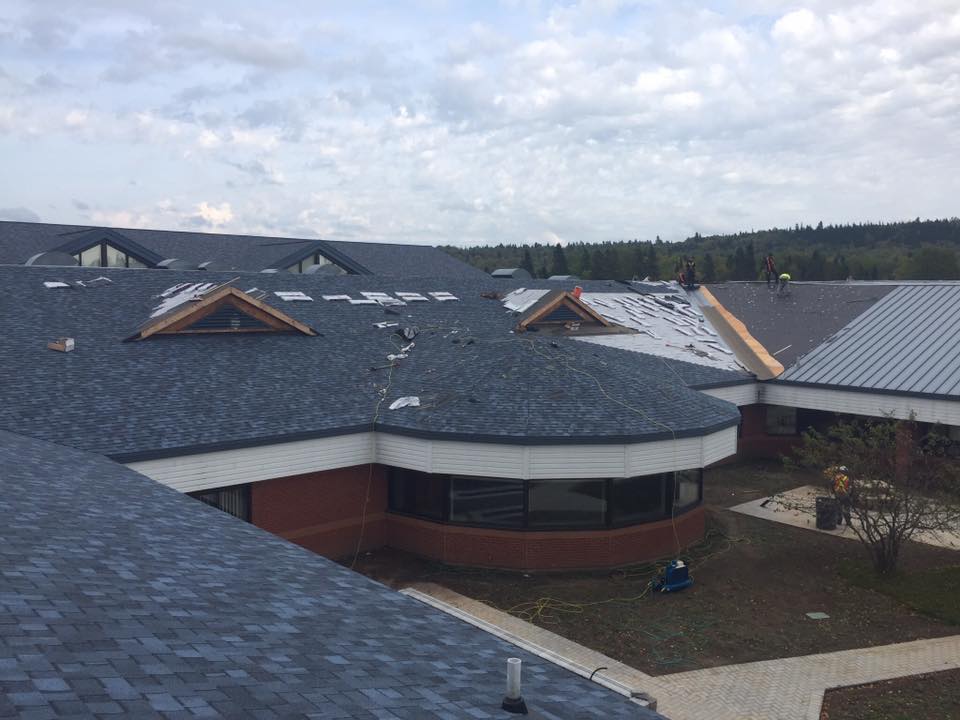
Consider Climate-Specific Roofing Requirements in Canada
Important climate factors include:
Winter Conditions
Snow accumulation, ice dams, and freezing temperatures can put additional stress on roofing systems. Proper ventilation and insulation help reduce moisture issues and improve efficiency.
Summer Weather
Heat, ultraviolet exposure, and severe storms can affect shingles and roofing materials. Choosing durable products and proper installation methods helps improve lifespan.
Regional Weather Events
Areas affected by hail, strong winds, or heavy rainfall may require specific roofing materials designed for increased protection. A knowledgeable roofing contractor should understand these regional challenges and recommend solutions suitable for the home’s location.
Common Mistakes Homeowners Should Avoid
Hiring Based Only on Price
A low price may seem attractive, but roofing is a long-term investment. Cutting costs by choosing inexperienced installers or lower-quality materials can create additional expenses later.
Ignoring Reviews and References
Online reviews and customer experiences can provide insight into communication, workmanship, and reliability.
Skipping the Inspection Process
A proper inspection helps identify hidden issues before installation begins. Address decking, ventilation, or moisture problems during the project rather than after completion.
Not Asking Enough Questions
Homeowners should feel comfortable asking about materials, timelines, warranties, and installation methods before deciding.
How to Prepare Your Home Before Roofing Work Begins
Once you select a contractor, preparing your property can make the process smoother. For homeowners considering an Advanced Level Roofing roof replacement, clearing access areas, protecting outdoor belongings and securing fragile items indoors can help the roofing team work more efficiently and safely.
Helpful preparation steps include:
- Removing fragile items from walls and ceilings
- Protecting outdoor furniture
- Clearing access areas around the home
- Informing neighbours about possible construction noise
- Keeping pets safely indoors
A professional team should also keep the work area clean and follow safe installation practices.
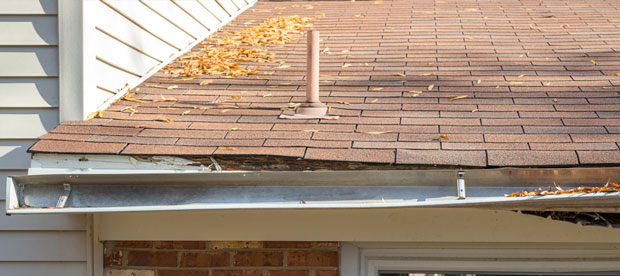
Frequently Asked Questions
How do I know if I need roof replacement or repairs?
An inspection can determine whether repairs are enough or if replacement is necessary. Consider factors such as roof age, damage level, moisture issues, and structural condition.
How long does a residential roof usually last in Canada?
The lifespan depends on materials, installation quality, weather exposure, and maintenance. With proper installation and maintenance, many asphalt shingle roofs can last several decades.
What should I ask a roofing contractor before hiring them?
Homeowners should ask about experience, insurance, warranties, materials, project timelines, and references. Clear communication before starting work can prevent misunderstandings.
How much does a residential roof replacement cost?
Costs vary based on roof size, material selection, complexity, labour requirements, and location. A detailed estimate from a qualified contractor provides the most accurate information.
Why is ventilation important for a roofing system?
Proper ventilation helps control moisture, regulate attic temperatures, and reduce problems such as condensation and ice dams. It is an important part of long-term roof performance.
Should homeowners replace a roof before selling a property?
A newer roof can boost buyer confidence and reduce inspection concerns. However, homeowners should consider their budget, property value, and overall condition before making improvements.
Conclusion
Hiring the right professional requires research, careful comparison, and understanding what makes a quality roofing system. Homeowners should focus on experience, communication, materials, warranties, and installation standards instead of choosing a contractor based only on price. A dependable roofing contractor helps protect your home by providing solutions designed for long-term performance and Canadian weather conditions. Advanced Level Roofing provides homeowners with roofing solutions that consider the complete system, including installation quality and home protection needs.
Explore professional roofing solutions and visit the service location on Google Maps to understand available options for your area.


