
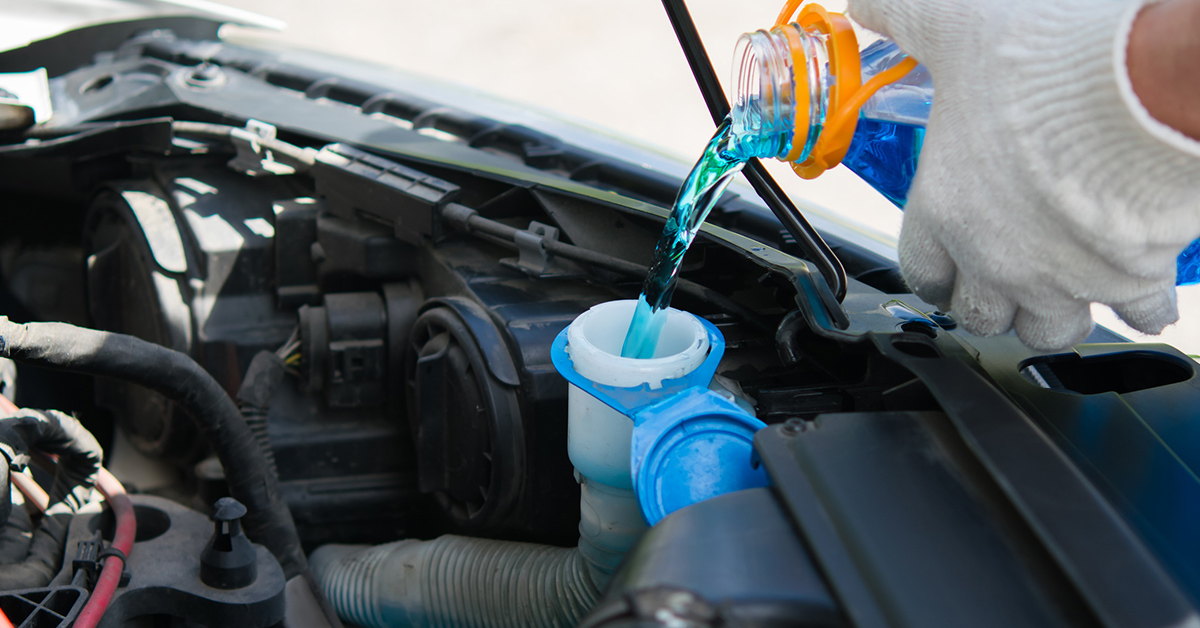
Fleet operators face an ongoing challenge: keeping vehicles compliant with emission standards while ensuring top performance and cost efficiency. One often-overlooked factor in this equation is DEF fuel quality. Using high-quality DEF fuel is not just about meeting regulatory requirements—it can directly influence engine performance, fuel consumption, and maintenance costs.
Table of Contents
- Understanding DEF Fuel and Its Role in Fleet Operations
- How DEF Fuel Quality Affects Fleet Efficiency
- Risks of Using Poor-Quality DEF Fuel
- The Role of DEF Additives in Fuel Quality
- Best Practices for Ensuring DEF Fuel Quality
- Blue DEF and Premium Options
- FAQ: DEF Fuel Quality and Fleet Efficiency
- Conclusion
In this guide, we’ll explore why DEF fuel quality matters, how poor-quality DEF can damage your fleet’s efficiency, and what steps you can take to protect your investment. You’ll also learn practical tips to maintain DEF purity from storage to usage. By the end, you’ll know exactly how to safeguard both your engines and your bottom line.
Understanding DEF Fuel and Its Role in Fleet Operations
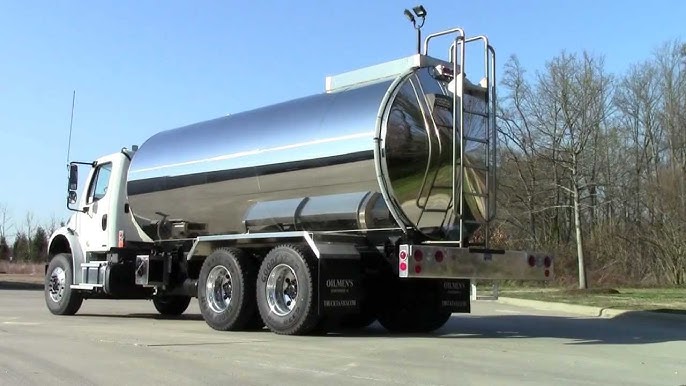
DEF fuel, or diesel exhaust fluid, is a non-toxic, colorless solution made from purified water and high-grade urea. Its primary role is to reduce harmful nitrogen oxide (NOx) emissions from diesel engines through a process called Selective Catalytic Reduction (SCR). When injected into the exhaust stream, DEF fuel breaks down NOx into harmless nitrogen and water vapor.
For modern diesel engines, DEF fuel is as essential as diesel itself. Without it, vehicles with SCR systems simply cannot operate within legal emission limits.
How DEF Fuel Quality Affects Fleet Efficiency
1. Engine Performance and Reliability
The high-quality DEF fuel ensures that your SCR system operates correctly. Low-grade or contaminated DEF can cause incomplete NOx reduction, leading to engine fault codes, power loss, and reduced fuel efficiency.
2. Reduced Maintenance Costs
Contaminated DEF fuel can lead to clogged injectors, sensor failures, and SCR catalyst damage. Repairs for these issues can cost thousands and result in days of vehicle downtime.
3. Optimized Fuel Consumption
When the SCR system functions efficiently, engines burn fuel more effectively. This means fewer regeneration cycles, smoother performance, and lower overall diesel consumption.
4. Compliance With Emission Regulations
Using certified DEF fuel guarantees your fleet remains compliant with emission laws. Failing to meet standards can lead to hefty fines, penalties, and even vehicle impoundment.
Risks of Using Poor-Quality DEF Fuel
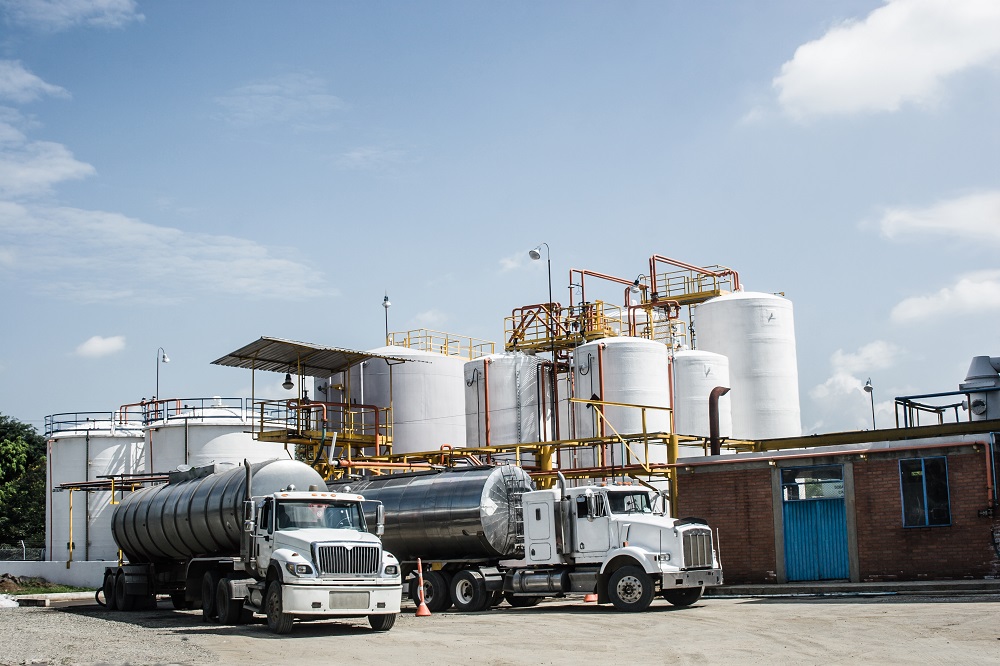
Not all DEF fuel on the market meets ISO 22241 standards. Poor manufacturing processes, improper storage, or contaminated water sources can compromise quality. Common risks include:
- Crystallization in Injectors – Caused by impurities, this can block DEF lines and nozzles.
- Corrosion – Contaminants may damage metal components in the SCR system.
- Sensor Malfunction – Poor-quality DEF can trigger inaccurate readings, leading to costly misdiagnoses.
- Excessive Emission Levels – Subpar DEF fuel fails to reduce NOx effectively, increasing pollution output.
The Role of DEF Additives in Fuel Quality
While DEF additives aren’t commonly required in standard formulations, some manufacturers introduce them to improve stability or prevent freezing. However, additives must not compromise the purity of DEF fuel. Any modification outside ISO 22241 specifications can damage the SCR system or void vehicle warranties.
Fleet managers should verify whether additives are compatible before introducing them into their DEF supply.
Best Practices for Ensuring DEF Fuel Quality
1. Source From Reputable Suppliers
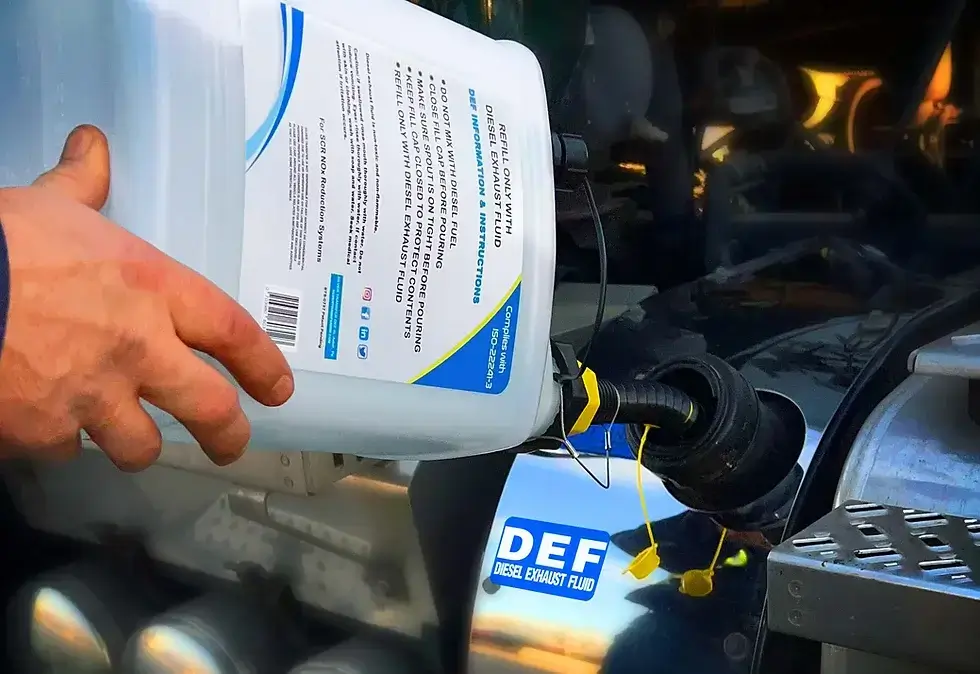
Partnering with a leading DEF supplier reduces the risk of contamination. Established suppliers follow strict quality control processes from production to delivery. They also provide proper documentation and certifications that verify product quality. Choosing the right supplier ensures consistency in every batch you receive, preventing costly breakdowns.
2. Store DEF Properly
DEF fuel should be stored in sealed, dedicated containers made from approved materials like polyethylene or stainless steel. Exposure to extreme temperatures or direct sunlight can degrade its quality. Keep storage areas clean and free from dust or debris to prevent contamination when transferring DEF. Whenever possible, store DEF indoors or in shaded, temperature-controlled environments.
3. Regularly Test DEF
Periodic quality checks ensure your DEF meets the required specifications. Handheld refractometers or professional lab tests can verify urea concentration and detect contaminants. Testing helps you catch problems early, before they affect vehicle performance. Incorporating routine DEF testing into your maintenance schedule adds an extra layer of quality assurance.
4. Educate Your Team
Drivers and maintenance staff should be trained to handle DEF correctly—avoiding cross-contamination with fuels, oils, or other fluids. Provide clear written guidelines and regular refresher training to reinforce proper handling practices. A well-informed team is your first line of defense against DEF-related issues.
Blue DEF and Premium Options
Many fleets opt for Blue DEF or premium DEF options to guarantee quality and consistency. These products are manufactured to meet or exceed industry standards, offering peace of mind that your SCR systems will operate at peak performance.
FAQ: DEF Fuel Quality and Fleet Efficiency
What is DEF fuel made of?
DEF fuel is a 32.5% high-purity urea solution mixed with 67.5% deionized water. It’s designed for use in diesel engines equipped with SCR systems.
How long does DEF fuel last in storage?
When stored properly between 12°C and 27°C (54°F to 80°F) in a sealed container, DEF can last up to two years without losing effectiveness.
Can I use DEF additives to improve performance?
\Only use DEF additives that meet ISO 22241 standards and are approved by your engine manufacturer. Incompatible additives can cause system damage.
How can I tell if my DEF fuel is contaminated?
Signs of contamination include discoloration, cloudiness, and sediment in the fluid. Using a quality testing service can confirm if the urea concentration is within specifications.
What happens if I run out of DEF fuel?
Most modern diesel engines will enter a reduced power mode or may not start until DEF is refilled, to prevent excessive emissions.
Conclusion
DEF fuel is more than an emission-control fluid—it’s a key player in keeping your fleet efficient, compliant, and cost-effective. Poor-quality DEF fuel can cause equipment failures, increase operating costs, and jeopardize your business’s reputation. By sourcing from reliable suppliers, storing DEF correctly, and educating your team, you can safeguard both your vehicles and your bottom line.
In a competitive industry, maintaining efficiency is crucial. Paying attention to DEF fuel quality isn’t just a maintenance decision—it’s a strategic move that keeps your fleet on the road and performing at its best.


