
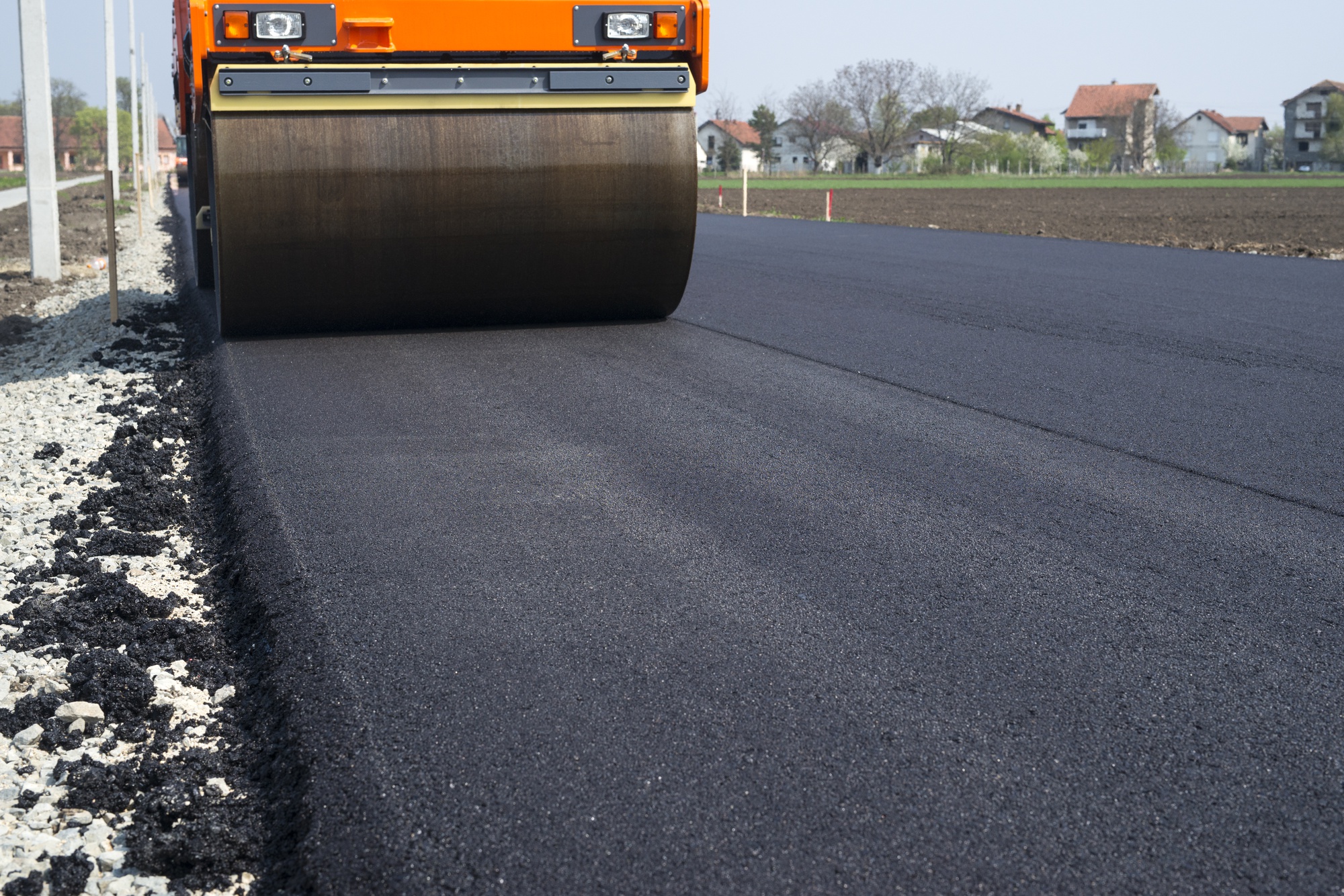
Maintaining a driveway is essential to ensure its longevity and aesthetic appeal. One of the most effective maintenance practices is driveway sealing, particularly for asphalt surfaces. Driveway sealing acts as a protective layer that helps prevent damage from environmental elements and regular wear and tear. Without proper sealing, driveways can develop cracks, potholes, and overall surface degradation.
Table of Contents
- Understanding Driveway Sealing
- When to Seal a Driveway
- Why Seal a Driveway?
- How to Seal a Driveway
- Crack Repair: A Critical Component
- Driveway Sealing in Fenelon Falls
- Choosing the Best Asphalt Sealing Products
- FAQs
- 1. How often should an asphalt driveway be sealed?
- 2. Can driveway sealing be done as a DIY project, or is hiring a professional better?
- 3. What is the best time of year to seal a driveway?
- 4. What are the benefits of hiring a local driveway sealing company in Fenelon Falls?
- 5. How should cracks be repaired before sealing a driveway?
- Conclusion
- FAQs
Understanding Driveway Sealing
Driveway sealing involves applying a protective layer over a driveway to shield it from the elements, chemicals, and daily wear and tear. For asphalt driveways, this process is often referred to as asphalt sealing. It helps in preventing oxidation, which can weaken the asphalt over time. Regular sealing not only enhances the appearance of a driveway but also extends its lifespan, reducing the need for frequent repairs.
When to Seal a Driveway
The timing of driveway sealing is crucial for optimal results. New asphalt driveways should be allowed to cure for at least six months before the first sealing. This waiting period ensures that the asphalt fully hardens and bonds properly before applying the sealant. After the initial seal, resealing every two to three years helps maintain its protective barrier.
Sealing too frequently can lead to buildup and cracking, while infrequent sealing may leave a driveway vulnerable to damage. The best time of year for driveway sealing is during warm, dry weather, typically late spring to early fall. This allows for proper curing of the sealant, ensuring a longer-lasting application. Avoid sealing during rainy or extremely hot conditions, as these can affect the application and drying process.
Why Seal a Driveway?
Sealing a driveway offers several benefits that contribute to its durability and visual appeal. The primary benefit is protection against moisture, which can seep into the asphalt and cause damage. Moisture can expand and contract during freezing and thawing cycles, leading to cracks and potholes.
Another advantage of asphalt sealing is its resistance to chemicals and harsh weather conditions. Driveways are often exposed to oil spills, road salt, and UV rays, all of which can degrade the surface over time. A well-sealed driveway helps in reducing the impact of these elements, ensuring a smooth and resilient surface. Moreover, a freshly sealed driveway boasts a rich, black finish that enhances curb appeal, making it look well-maintained and attractive.
How to Seal a Driveway
Sealing a driveway can be a DIY project or handled by professionals, depending on preference and expertise. Here’s a step-by-step guide to ensure proper application and long-lasting results:
- Clean the Surface: Remove all dirt, debris, and stains before applying the sealer. Power washing is recommended for thorough cleaning, as it ensures a smooth and even application. A clean surface helps the sealant adhere better, preventing premature peeling or chipping.
- Repair Cracks and Potholes: Fill any cracks or holes with appropriate crack repair products before sealing. Cracks should be cleaned thoroughly before applying a high-quality crack filler. Ignoring cracks can lead to further deterioration, making future repairs more extensive and costly.
- Choose the Right Sealer: Select a high-quality asphalt sealer suitable for the driveway’s condition. Different sealers offer varying levels of durability and protection, so choosing one that fits specific needs is essential. A good sealer will provide a smooth finish and a strong protective barrier.
- Apply the Sealer: Use a squeegee or sprayer to apply the sealer evenly across the surface. Make sure to follow the manufacturer’s instructions regarding application thickness and drying times. Applying the sealant in thin, even layers prevents streaking and ensures a consistent finish.
- Allow to Cure: Let the sealer dry completely before using the driveway. This may take 24-48 hours, depending on weather conditions. Avoid driving or walking on the sealed surface until it is fully cured to prevent damage and uneven texture.
Crack Repair: A Critical Component
Addressing cracks before they expand is vital to maintaining the integrity of a driveway. Cracks allow water to penetrate the asphalt, leading to more significant damage over time. The freeze-thaw cycle can cause these cracks to widen, resulting in costly repairs if left untreated.
Utilizing advanced crack repair solutions can ensure lasting results. High-quality crack fillers create a waterproof barrier that prevents moisture from seeping in. For residents in Fenelon Falls, Terzo Sealing specializes in cutting-edge crack repair techniques, ensuring durability and precision. Professional repair services can extend the life of a driveway and maintain its appearance.
Driveway Sealing in Fenelon Falls
For homeowners in Fenelon Falls seeking professional driveway sealing services, several local contractors offer expertise in asphalt sealing. These experts understand the specific needs of driveways in this region, providing tailored solutions for long-lasting protection. Investing in professional sealing services ensures a high-quality application that maximizes the lifespan of a driveway.
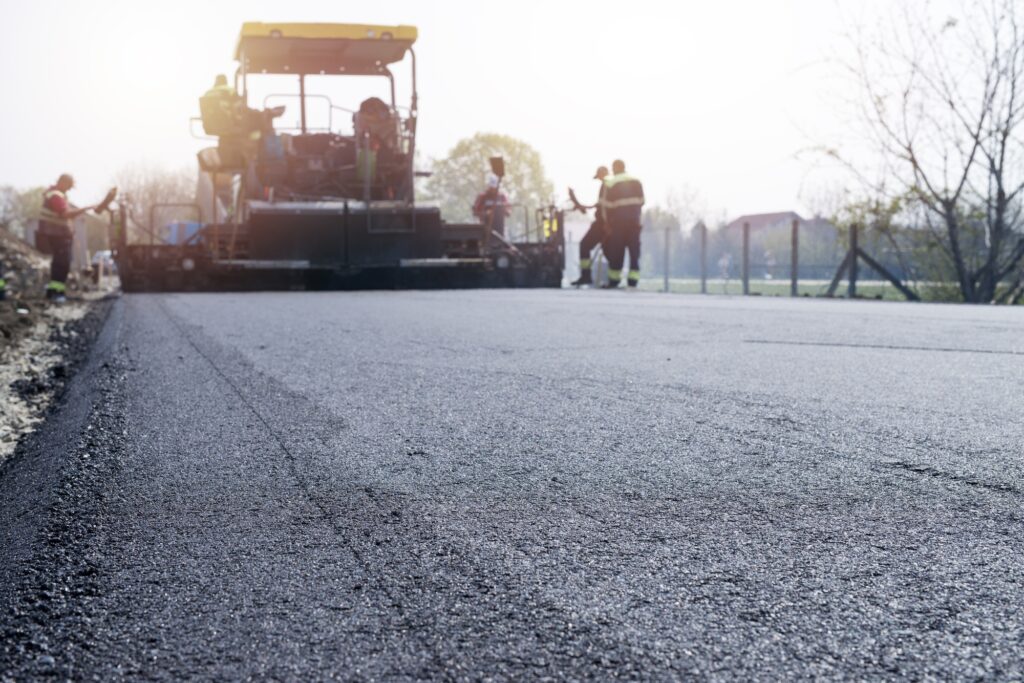
Additionally, Terzo Sealing provides comprehensive driveway maintenance solutions, including sealing and crack repair, tailored to the specific needs of the Fenelon Falls community. Hiring local professionals guarantees that a driveway receives the best care and maintenance.
Choosing the Best Asphalt Sealing Products
Selecting the right sealer is crucial for effective protection and long-term durability. Different products offer various levels of coverage, longevity, and ease of application.
Here are some top-rated options:
- Jetcoat 10-Year Driveway Sealer: Known for its longevity and ease of application, making it a popular choice for homeowners.
- Latex-ite Airport Grade Driveway Sealer: Offers commercial-strength durability suitable for high-traffic areas, ensuring extended protection.
- E-Z Stir Driveway Asphalt Filler/Sealer: Provides excellent protection by filling cracks and offering a smooth, black finish, enhancing the overall appearance of the driveway.
When selecting a sealer, consider factors such as climate, driveway usage, and the presence of existing damage. A high-quality product will provide better protection and require less frequent reapplication, saving time and effort in the long run.
FAQs
1. How often should an asphalt driveway be sealed?
It’s recommended to seal an asphalt driveway every two to three years. Sealing too frequently can cause buildup and cracking, while infrequent sealing may leave a driveway exposed to damage, leading to costly repairs.
2. Can driveway sealing be done as a DIY project, or is hiring a professional better?
While sealing a driveway can be a DIY project, hiring a professional ensures proper application and longevity. Professionals have access to high-quality materials and equipment, which can result in a more durable finish and reduce the risk of improper application.
3. What is the best time of year to seal a driveway?
The ideal time for driveway sealing is during warm, dry weather, typically between late spring and early fall. This ensures the sealer cures properly, allowing for a long-lasting and protective coating.
4. What are the benefits of hiring a local driveway sealing company in Fenelon Falls?
Local companies understand the specific climate and conditions of the area, ensuring tailored solutions for a driveway. Hiring a local contractor also supports the community and provides personalized service.
5. How should cracks be repaired before sealing a driveway?
Clean the cracks thoroughly and use a high-quality crack filler before applying the sealer. Ignoring cracks can lead to water infiltration, further deterioration, and costly repairs down the road.
Conclusion
Driveway sealing is an essential maintenance practice that protects and enhances the longevity of asphalt driveways. Regular sealing prevents cracks, potholes, and surface deterioration, ensuring a smooth and visually appealing driveway. Whether sealing is done independently or by a professional, proper application and quality materials are key to achieving the best results.
For those in Fenelon Falls, local driveway sealing services like Terzo Sealing offer expert solutions to keep driveways in top condition. Investing in regular sealing and crack repair will save money in the long run while keeping driveways looking their best for years to come.